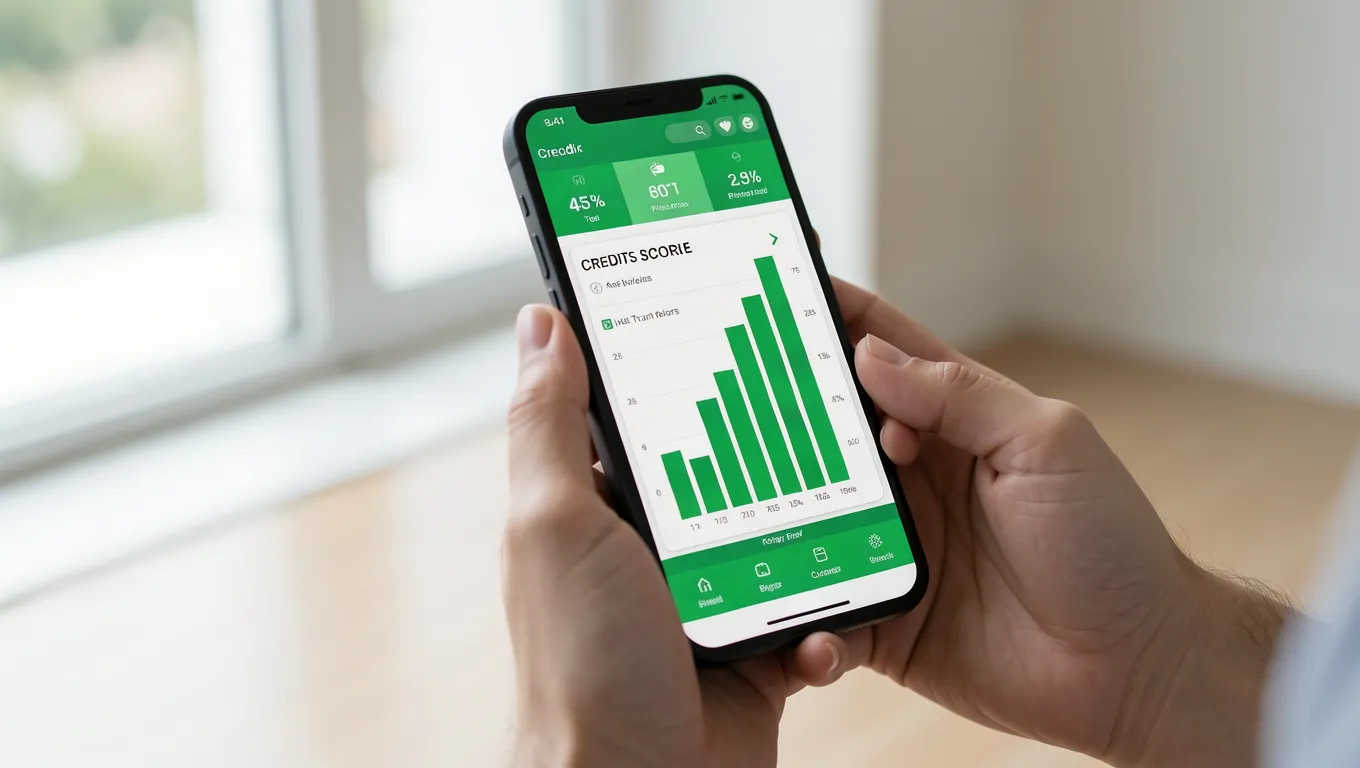
Hard Money Loans helps you connect with lenders specialized in subprime financing. Discover your options and secure the capital you need to move forward.
No hard credit pull · Takes 2 minutes
Won't impact your credit score
Enter your basic information to see which lenders <em>may offer solutions tailored to your specific credit profile.</em>
Review different interest rates and terms from multiple lenders side-by-side without affecting your score initially.
Choose the best match for your needs and complete the formal application to <b>finalize your funding</b>.
An unsecured personal loan for bad credit is a type of installment debt that does not require you to pledge an asset, such as your car or home, as collateral. Because there is no underlying security for the lender, these loans are often referred to as 'signature loans.' In 2026, the landscape for subprime lending has evolved, but the fundamental principle remains: lenders rely heavily on your debt-to-income ratio and recent payment history rather than just a high credit score. For those navigating a challenging financial season, these funds can provide much-needed liquidity without the risk of losing personal property.
When looking at the current market, it is important to recognize that an unsecured loan carries different risk profiles for both you and the lender. According to data frequently cited by major bureaus like Experian, borrowers with lower FICO scores often face higher interest rates to offset the increased risk of default. You might encounter an APR range between 25% and 36%+ depending on your specific financial standing. However, these loans can also serve as a tool for rebuilding credit if managed responsibly through consistent, on-time monthly payments.
It is vital to understand that approval is never guaranteed. Lenders will evaluate several factors beyond just the number on your credit report, including your credit utilization levels and total outstanding debt obligations. By understanding these mechanics, you can approach the borrowing process with more confidence and a clearer expectation of the terms offered by different institutions.
Securing an unsecured loan when your credit is not in the best shape requires a focus on more than just your score. While many traditional banks might hesitate, specialized lenders often look at alternative data to determine eligibility. This includes verifying your steady stream of income through recent paystubs or bank statements and assessing your ability to manage new debt alongside existing obligations. The debt-to-income (DTI) ratio is a critical metric here; lenders want to see that you have enough monthly cash flow to cover both your current bills and the new loan payment.
Consumer protection guidelines from the FTC emphasize the importance of transparency in these transactions. When applying, you should be prepared to provide proof of residency and employment. Lenders are looking for stability, so a consistent job history can often outweigh a recent dip in your credit score. It is also important to note that some lenders may perform a soft credit inquiry during the initial matching phase, which allows you to explore options without damaging your score further.
One common hurdle for many applicants is high credit utilization on existing revolving accounts. If your cards are near their limits, it might be difficult to qualify for substantial loan amounts regardless of your income. Before applying, many experts suggest attempting to pay down small balances to improve your overall profile, though the immediate need for cash often makes an unsecured loan a more practical choice for urgent situations.
| Loan Type | Typical APR Range | Collateral Required | Approval Likelihood | Best For |
|---|---|---|---|---|
| Traditional Bank Loan | 7% - 15% | None | Low | Excellent Credit |
| Credit Union Loan | 10% - 20% | None | Moderate | Established Members |
| Secured Personal Loan | 6% - 25% | Asset Required | High | Building Credit |
| Co-signer Loan | 8% - 18% | None | Moderate | Borrowers with Help |
| Bad Credit Unsecured | 25% - 36%+ | None | Variable | Urgent Needs |
Understanding the cost of borrowing is paramount when you are looking at non-traditional financing. In 2026, interest rate environments can fluctuate based on broader economic trends reported by the Federal Reserve. For borrowers in the subprime category, these fluctuations may manifest as higher starting APRs. It is essential to look beyond just the monthly payment and focus on the Annual Percentage Rate (APR), which includes both interest and any potential origination fees that might be baked into the loan structure.
Many unsecured loans are structured as fixed-rate installment loans. This means your monthly payment remains consistent throughout the life of the loan, providing predictability for your budget. However, some lenders may offer variable rates that can change over time. You should always ask whether a lender offers prepayment penalties; being able to pay off your debt early without extra fees is a significant advantage if you find yourself with extra cash in the future.
Another factor to consider is the origination fee, which some lenders deduct from your total loan amount before it reaches your bank account. For example, if you qualify for $5,000 but there is a 5% origination fee, you might only receive $4,750 in hand, even though you are responsible for repaying the full $5,000. Always perform a thorough comparison of the net funds received versus the total cost of borrowing to ensure the loan meets your specific financial goals.
The journey from searching for funds to receiving them in your account involves several distinct stages. In 2026, many lenders have streamlined their digital workflows, allowing for a much faster experience than in previous years. The process typically begins with a prequalification step. This is often a soft credit check that gives you an estimate of what you might qualify for without impacting your credit score. It is the most efficient way to gauge your options before committing to a formal application.
Once you move past prequalification, you will enter the full application phase. At this stage, the lender will perform a hard credit inquiry and conduct a deeper dive into your financial history. You should have all necessary documentation ready, including recent pay stubs, tax returns from the previous year, and proof of identity. Being organized during this step can significantly reduce the time it takes for a lender to reach a final decision.
After approval, the final review phase involves verifying that all provided information is accurate and meets the lender's internal risk models. Once everything is cleared, funds are typically disbursed via Electronic Funds Transfer (EFT) directly into your checking account. Depending on the lender, this can take anywhere from a few hours to several business days. Always ensure your bank is prepared for an incoming transfer to avoid any unnecessary delays in accessing your capital.
If this option fits your situation, it's also worth comparing best personal loans for bad credit and personal loans with poor credit score.
Check for errors or inaccuracies in your files. Disputing a single mistake could boost your score enough to qualify for better terms.
Avoid applying for multiple loans simultaneously. Each hard inquiry can impact your score, so only apply when you are ready to choose.
Don't just look at the monthly payment. Look at the total interest paid over the life of the loan to find the true cost.
Always ensure you are working with a reputable lender. Avoid any company that asks for upfront upfront fees before disbursing your loan.
We connect you with a wide variety of lenders, increasing your chances of finding a match that accepts subprime profiles.
Our platform is designed to show you relevant options quickly so you can make an informed decision in minutes.
Your sensitive financial data is protected with industry-leading encryption and strict privacy protocols.
We focus on showing you real terms so there are no surprises when you reach the final application stage.
Adjust the sliders to see an instant estimate. Actual rates depend on your credit profile.
* Estimate only. Actual rate and terms depend on lender approval.
Estimated Monthly Payment
$332.14
per month for 36 months
No impact on your credit score